
Mediterranean Seafood US: Sourcing & Quality Guide
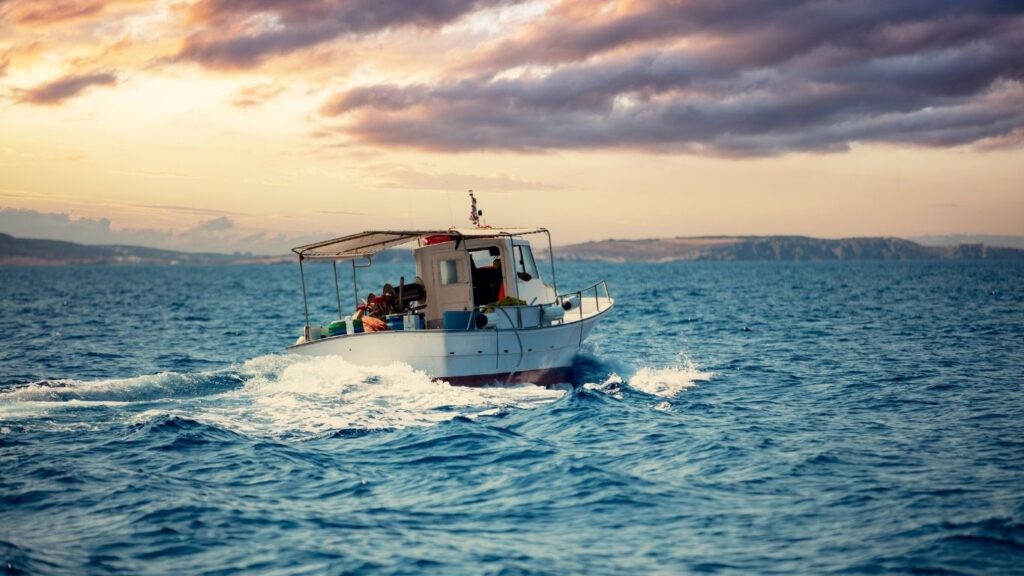
The Ultimate Guide to Sourcing Mediterranean Seafood in the US: Quality, Sustainability, and the Cold Chain
For decades, the vibrant coastal flavors of Mediterranean seafood from Spain, France, Italy, and Greece were experiences reserved for travelers or those living near elite international ports. For the American chef or home gourmet, “Mediterranean seafood” often meant compromise, either settling for local substitutes or accepting lower-quality frozen blocks that lost their soul in transit.
However, the landscape of the US culinary market has shifted. At mmmediterranean, we have spent over 25 years bridging the gap between traditional European “day boat” harvests and the modern American kitchen. Whether you are a Michelin-starred executive chef in New York or a private enthusiast in Seattle, understanding the logistics, technology, and sourcing standards of authentic Mediterranean seafood is essential for achieving gastronomic excellence.
This is how we bring to you the food as if you were fishing it yourself on the Mediterranean coasts.
Why Mediterranean Seafood is the Global Standard
The Mediterranean Sea is a unique ecosystem characterized by high salinity and specific temperature gradients. These conditions produce seafood with a higher concentration of minerals and a more pronounced “oceanic” sweetness compared to Atlantic or Pacific counterparts.
- Biodiversity: From the deep-water Alistado Shrimp (Striped Red Shrimp) found along the Spanish continental slope to our signature Wild Octopus Costa del Sol, the variety of species found in this region offers textures and flavor profiles that cannot be replicated.
- Artisanal Methods: Much of the premium seafood exported to the US is still harvested using traditional methods, such as pot-and-trap for octopus or day-boat fishing for squid and cuttlefish. This ensures zero by-catch and minimal stress on the animal, which directly impacts meat tenderness.
- Clean Label Integrity: Authentic Mediterranean imports are prized for being “Clean Label.” This means the products are free from phosphates, dyes, and carbon monoxide treatments often found in industrial Asian or South American seafood exports.
The Science of Freshness: Overcoming the 3,000-Mile Gap
The most common misconception in the US market is that “fresh” (never frozen) seafood is always superior. When dealing with imports from Spain or Italy, the opposite is often true. The key to premium quality lies in the technology used at the moment of harvest.
IQF: Individually Quick Frozen
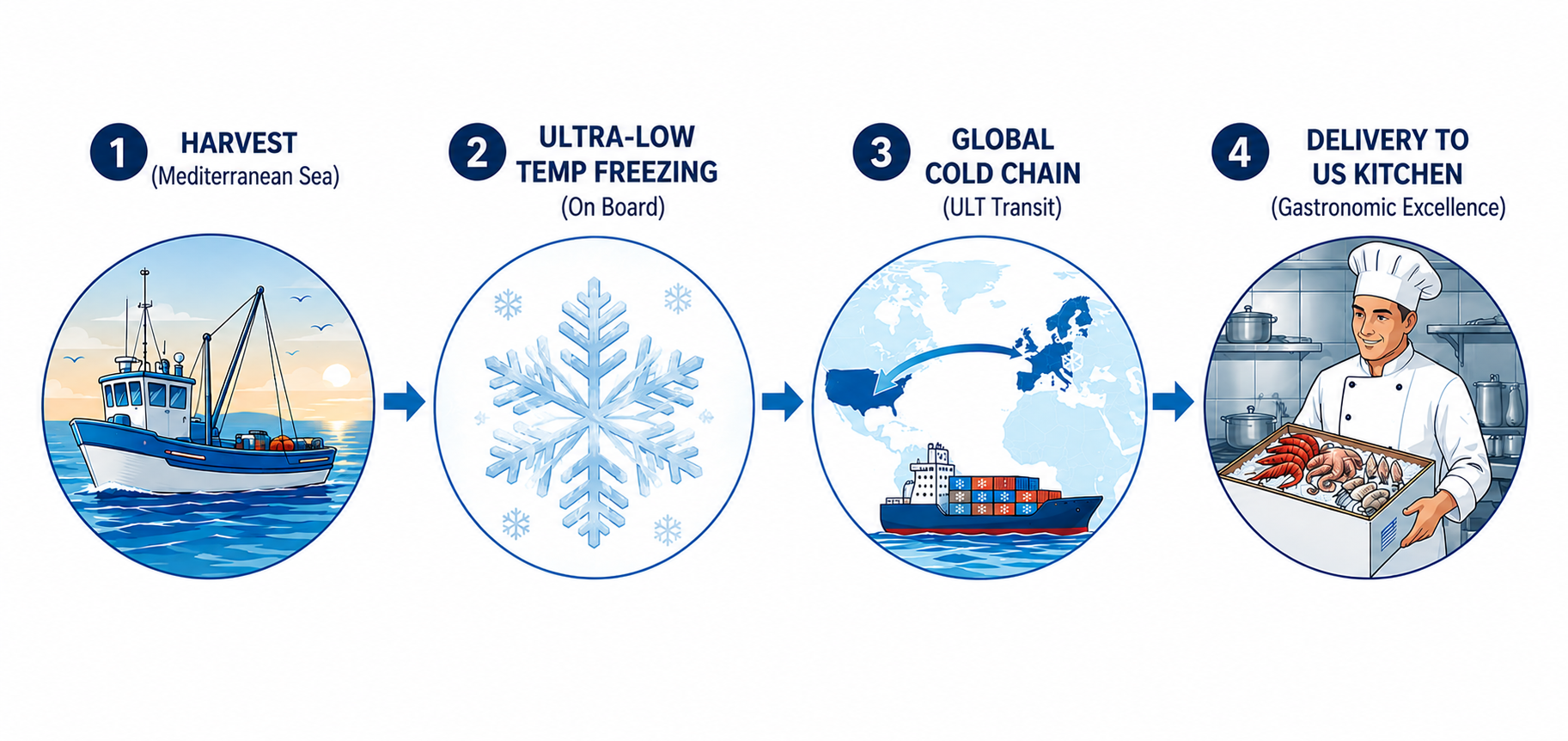
Flash freezing is the cornerstone of our logistics. Standard commercial freezing creates large ice crystals that puncture cell membranes, leading to a mushy texture upon thawing. IQF (Individually Quick Frozen) technology passes seafood through high-velocity blast freezers at extreme speeds. This prevents crystal formation, locking in the cellular integrity and natural juices of the fish.
The -60°C Standard: Ultra-Low Temperature (ULT)
For elite products like Japanese-grade Bluefin Tuna, even standard IQF is insufficient. We utilize ULT technology, where the fish is brought to -60°C (-76°F) immediately after harvest. At this temperature, all enzymatic activity and oxidation stop completely. This ensures that when the tuna is thawed in a US kitchen, it is chemically “fresher” than a fish that has spent three days sitting on a bed of melting ice.
Essential Mediterranean Seafood Species for the US Kitchen
Octopus Costa del Sol

Our signature Octopus Costa del Sol is sourced primarily from the rocky underwater canyons of the Spanish coast using sustainable pot-and-trap methods. Unlike common industrial octopus often “tumbled” with additives to artificially increase water weight, our product is 100% natural and chemical-free.
- Culinary Note: This high-quality Mediterranean species maintains its skin integrity during the boiling process.
- Texture: It provides that iconic “snap” on the outside followed by a tender, buttery interior that chefs demand.
Red Shrimp

The Red Shrimp is the crown jewel of our deep-sea selection and the preferred choice for Mediterranean purists. While often compared to the Carabinero, the Red Shrimp (or Gamba Roja) is celebrated for its more elegant sweetness and delicate texture.
- The “Gambbin” (Head Fat): The Red Shrimp is famous for the high concentration of liquid fat in its head. When grilled, this transforms into a rich, crimson “coral” or sea-butter. It is a culinary sin to discard the heads; the intense oceanic umami contained within is the most prized part of the shrimp.
- Sourcing Tip: Because Red Shrimp are harvested from extreme depths (up to 1,000 meters), the change in pressure and temperature triggers rapid enzymatic breakdown. In the US, it is vital to source Red Shrimp that are frozen at sea directly on the boat. This immediate “thermal shock” stops the clock, ensuring the shrimp maintains its firm texture during the long transit from the Spanish coast to American kitchens.
- The Science of Quality: Because the heads are so rich in enzymes, they are highly delicate. Immediate sea-freezing at ultra-low temperatures prevents “black spot” (melanosis), ensuring the heads remain intact and the flavor remains pristine from the Spanish coast to your kitchen.
Squid and Cuttlefish (Sepia)
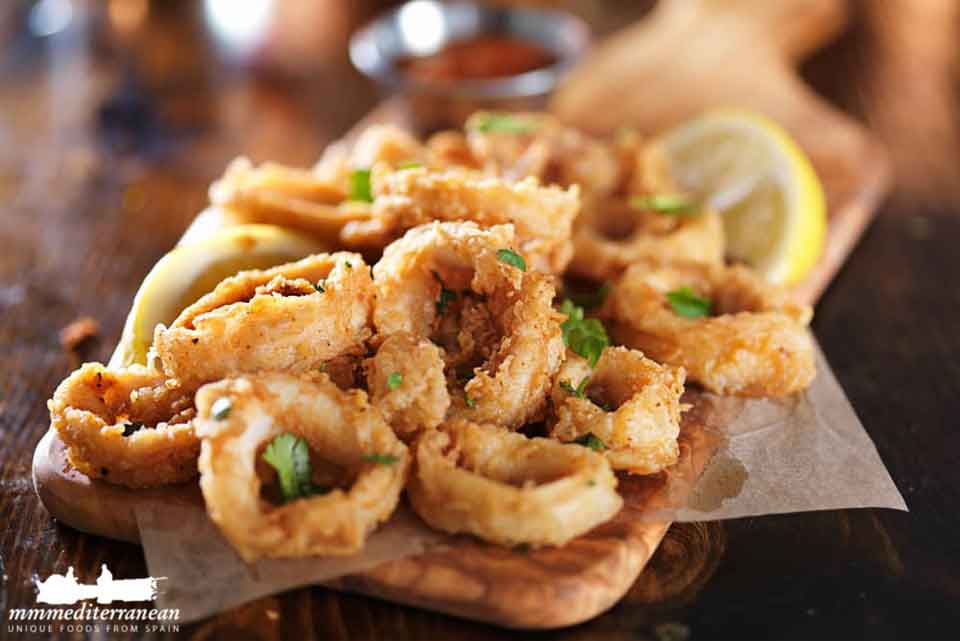
Mediterranean Cuttlefish is a staple of traditional tapas and high-end fine dining. Its thick, meaty mantle is far more versatile than the thin-walled squid varieties typically found in US coastal waters.
- Versatility: The dense structure of the Sepia stands up beautifully to high-heat searing on a plancha.
- Application: It is equally effective in slow-braising preparations, where it absorbs flavors without losing its signature bite.
Mediterranean seafood Sustainability and “Clean Label” Sourcin
As the US market becomes more conscious of environmental impact, Sustainable Seafood certifications (like MSC or Seafood Watch) have become non-negotiable.
- No Chemicals: Many imported shrimp brands use sodium tripolyphosphate to retain moisture. Our Mediterranean selection is chemical-free, ensuring that you pay for seafood, not added water.
- Traceability: Every batch imported by mmmediterranean features full traceability, from the specific FAO fishing zone in the Mediterranean to our temperature-controlled warehouse in New Jersey.
Professional Handling: Storage and Thawing
To maintain the integrity of premium Mediterranean seafood, the “Final Mile” in your kitchen is just as important as the first mile at sea.
- Cold Chain Maintenance: Upon delivery, seafood should be moved immediately to a freezer operating at -18°C (0°F) or lower.
- The Slow Thaw: Never thaw Mediterranean seafood under warm water or at room temperature. Place the vacuum-sealed product in the refrigerator for 12–24 hours. This slow transition allows the muscle fibers to reabsorb moisture, preserving the “just-caught” mouthfeel.
- Tempering: For items like Tuna Saku or Cuttlefish, let the product sit at room temperature for 10–15 minutes before cooking to ensure an even sear.
Sourcing Mediterranean Seafood in the US: Why mmmediterranean?
Finding a reliable partner for Mediterranean imports in the United States requires more than just a vendor; it requires a specialist in cold-chain logistics. Since 1998, we have served as the premier importer for Michelin-starred chefs across the country.
We manage the entire process, from the docks in Spain to our NJ-based distribution center, ensuring that the products used in NYC’s top seafood towers are the same professional-grade ingredients available for nationwide shipping.
Frequently Asked Questions:
mediterranean seafood
Is frozen Mediterranean seafood as good as fresh?
Often, it is superior. Because of IQF and ULT technology, the seafood is “frozen in time” at the peak of freshness. “Fresh” fish sitting on ice for several days during international flight transit undergoes significant enzymatic degradation that frozen-at-source seafood avoids.
What is the best way to cook Red Shrimp?
Scarlet red shrimp (Aristeus antennatus), harvested from depths of 400 – 800 metres in the Mediterranean, are best cooked using high-heat, short-duration methods, under 90 seconds per side when searing. Their deep-sea biology produces exceptional fat content concentrated in the head, where the liquid known as “gambinin” delivers an intense umami profile prized by Michelin-starred chefs. Squeezing the heads over the tail meat or reducing them into bisque extracts the full flavour.
Guillén, M. D., et al. (2014). “Fatty acid composition and lipid profile of deep-sea Mediterranean red shrimp (Aristeus antennatus).” Journal of Food Composition and Analysis.
Why does Octopus Costa del Sol maintain its skin better than other brands?
Our Octopus Costa del Sol is 100% natural and never “tumbled” with water or chemicals. Industrial processors often use additives to increase weight, which weakens the skin’s gelatinous layer. Because our octopus is processed traditionally and flash-frozen immediately, the skin remains intact during the boiling process, providing the aesthetic and textural “snap” required for professional plating.
What does "Clean Label" mean in the context of Mediterranean imports?
Clean Label means the product contains no hidden additives, phosphates, or dyes. Many seafood exporters use these to retain moisture or enhance color artificially. At mmmediterranean, our seafood is harvested, cleaned, and frozen with zero chemical intervention, ensuring the flavor you taste is the pure result of the Mediterranean ecosystem.
How do you ensure the seafood stays frozen during shipping across the US?
We utilize specialized, high-density insulated packaging and industrial-grade dry ice to maintain a strict cold chain. Our logistics team monitors every shipment from our NJ warehouse to its final destination, ensuring that whether you are in California or Florida, the product arrives at -18°C or lower.