
Iberico Pork US: The Ultimate Guide to Sourcing & Cooking
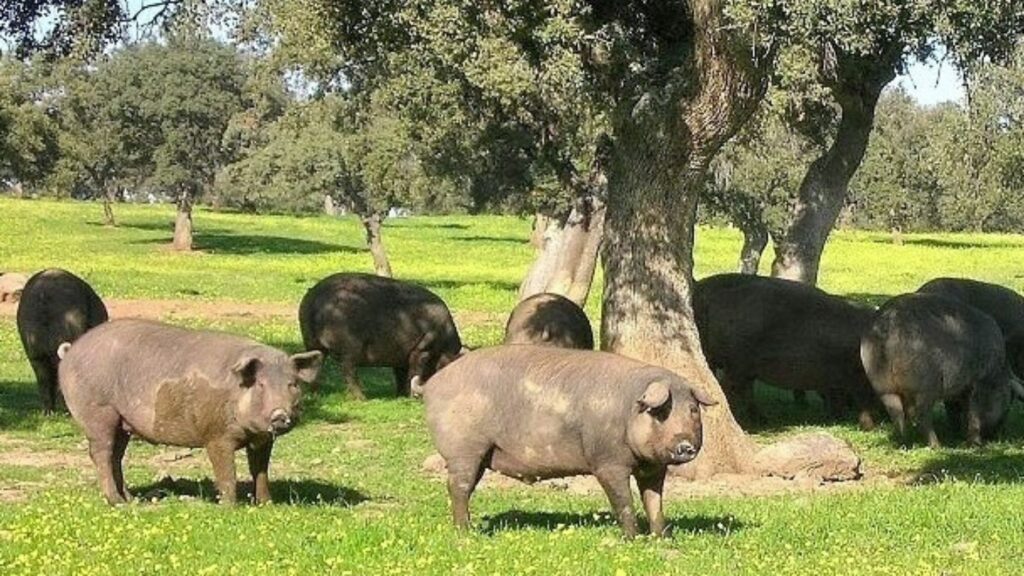
The Ultimate Guide to Iberico Pork: Heritage, Grading, and the “Wagyu of Pork”
While Iberico pork was once difficult to find outside of Spain, mmmediterranean makes it easy to source authentic, lab-certified Iberico pork in the US with fast, temperature-controlled shipping. See our meat selection.
In the world of high-end gastronomy, few ingredients command as much respect as Iberico Pork. Often called the “Wagyu of Pork” or “Olive Oil on Legs,” this legendary meat from the Iberian Peninsula has transitioned from a Spanish secret to a global culinary icon.
But for the American chef or home gourmet, the world of Iberico can be confusing. From complex grading systems to mysterious “secret cuts,” this guide provides everything you need to know about sourcing and cooking the finest pork on earth.
The Legend of the Iberian Pig
Unlike commercial pig breeds, the Iberico pig (Cerdo Ibérico) distributes intramuscular fat directly through its muscle fibers, a trait linked to its unique genetic makeup, producing marbling comparable to Japanese Wagyu A5 in visual grade. This fat infiltration is what gives Ibérico pork its signature oleic-acid richness and the deep, nutty flavour profile no cross-bred substitute can reproduce. (Tejeda et al., 2002; Ventanas et al., 2001)
The Dehesa: A Living Legacy
True Iberico pork is inseparable from its environment: the Dehesa. This is a unique, human-managed ecosystem of ancient oak forests stretching across southern and western Spain and Portugal.
The Dehesa is not a farm; it is a wild pasture. Here, the pigs roam freely, covering miles a day to forage. This exercise is crucial as it develops the muscle structure that can support the high fat content. However, the most critical element of the Dehesa is the Bellota (the acorn).
During the Montanera, Spain’s regulated acorn-fattening season running October through March, Ibérico pigs consume up to 10 kg of bellota acorns per day from holm oak (Quercus ilex) and cork oak (Quercus suber) trees across the Dehesa. Those acorns are approximately 55–83% oleic acid by fat content, the same heart-healthy monounsaturated fat dominant in extra-virgin olive oil (Cantos et al., 2003; Rodríguez-Estévez et al., 2009). This diet directly infiltrates the muscle, producing a pork fat that melts below 25°C (77°F).
Decoding the Spanish Grading System
The Color-Coded Quality Labels
In 2014, the Spanish government implemented a strict labeling system to protect consumers. When sourcing Iberico pork in the US, you must look for these four distinctions:
BLACK LABEL
Grade: Pata Negra
Breed: 100% Pure Iberico
Diet: 100% Acorn-fed (Bellota)
RED LABEL
Grade: Bellota Ibérico
Breed: 50-75% Iberico breed
Diet: Acorn-fed (Bellota)
GREEN LABEL
Breed: 50-100% Iberico Breed
Diet: Grain & Grass (Free-range)
WHITE LABEL
Breed: 50-100% Iberico Breed
Diet: Grain-fed (Industrial)
Why the Black Label is King: The Black Label represents the absolute pinnacle of quality. These pigs are 100% genetically pure Iberian and have spent their final months eating nothing but acorns in the wild. If you are looking for the most intense, nutty flavor and the highest level of oleic acid, the Black Label is the gold standard.
The “Secret” Cuts of the Iberian Butcher
In traditional American butchery, the pig is divided into large sections like the loin, ribs, and belly. However, Spanish master butchers have identified small, hidden muscles that are so prized they were historically kept by the butchers themselves, hence the name “Secret Cuts.”
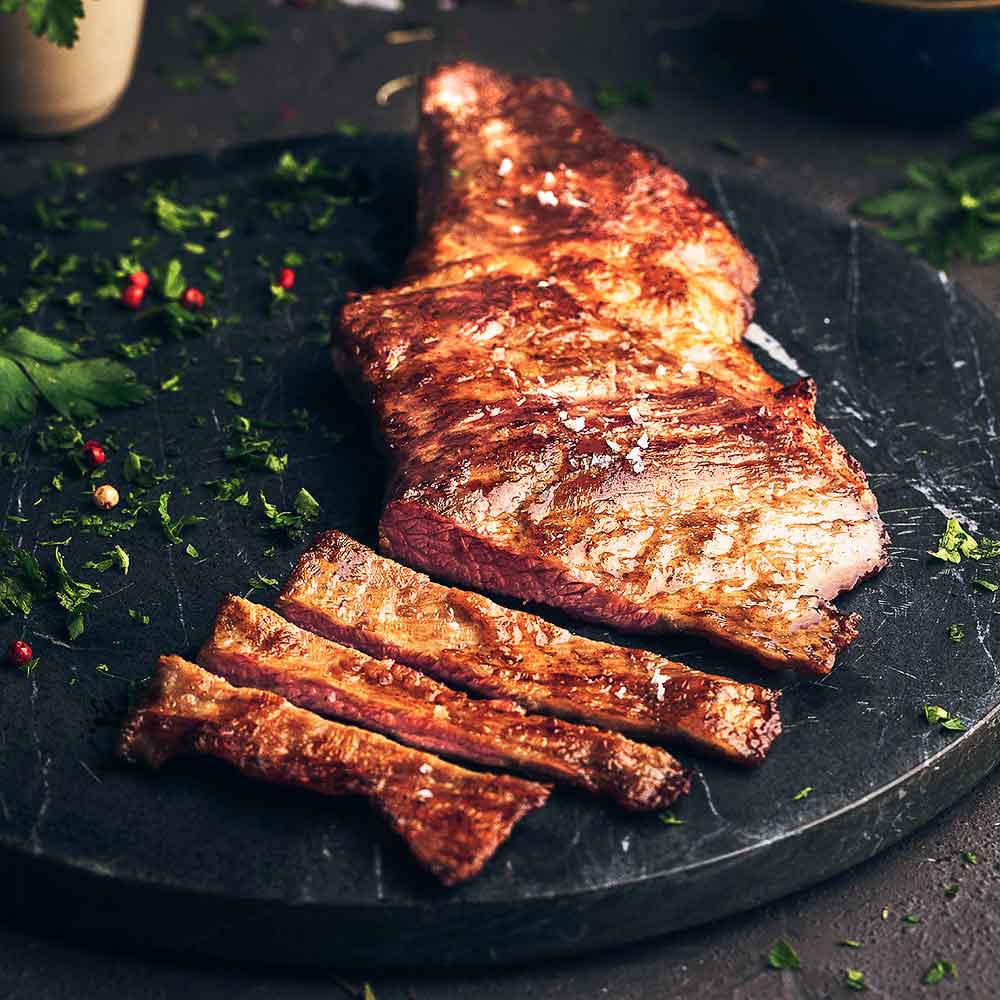
Secreto Ibérico: The Best Kept Secret
The Secreto is perhaps the most famous of these cuts. It is a thin, fan-shaped muscle tucked behind the shoulder and under the back fat.
- The Profile: It is heavily marbled, appearing almost like a piece of skirt steak but with the pale pink hue of pork.
- The Experience: When grilled, the fat renders out, creating a “crust” while the inside remains incredibly juicy. It is widely considered the most flavorful cut of the entire animal.
If you are ready to experience this incredible marbling at home, you can buy authentic Secreto Ibérico for US delivery through our curated collection.
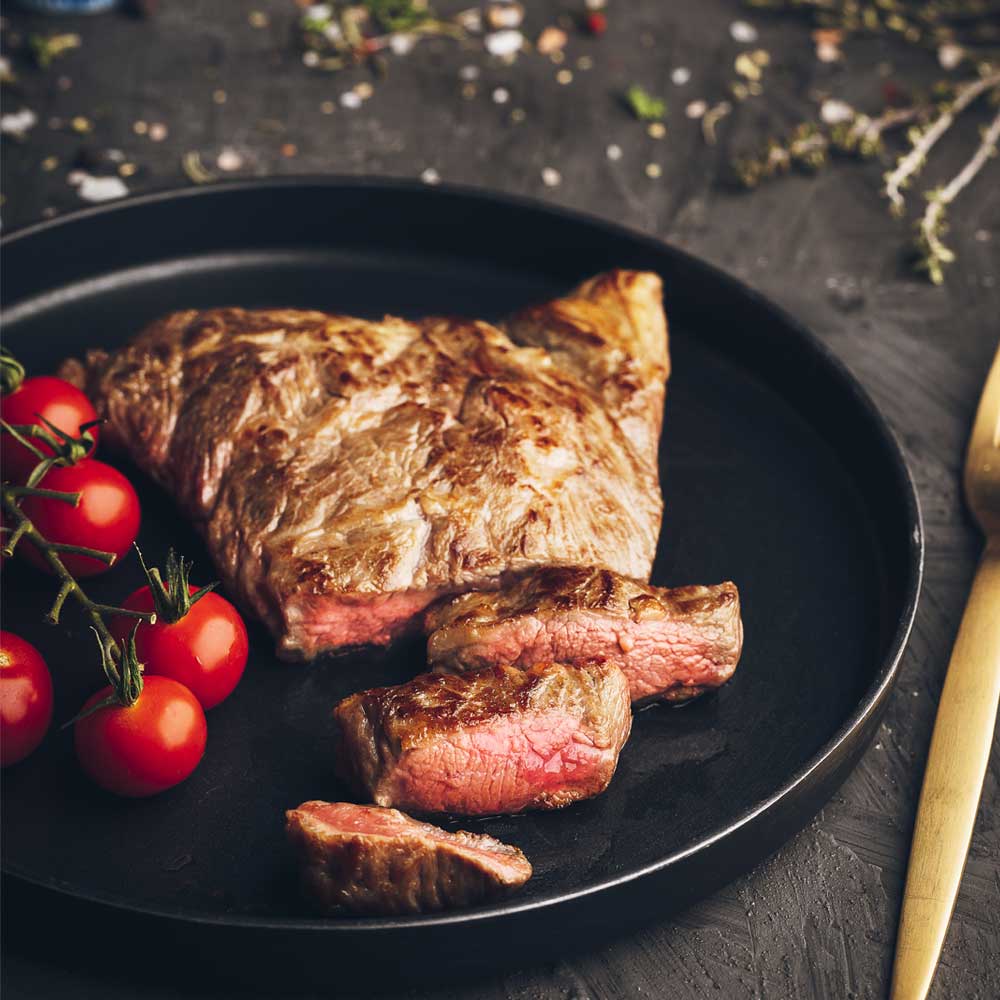
Pluma Ibérica: The "Feather"
Located at the end of the loin, the Pluma (Spanish for “feather”) is a small, triangular muscle.
- The Profile: It is leaner than the Secreto but possesses a deep, complex flavor profile similar to a high-end beef tenderloin.
- The Experience: Because the fibers are so delicate, it is best cooked medium-rare—a concept that often surprises those used to traditional commodity pork.
Make your next dinner party memorable with this tender ‘feather’ cut; check our current availability to order Pluma Ibérica online in the USA.
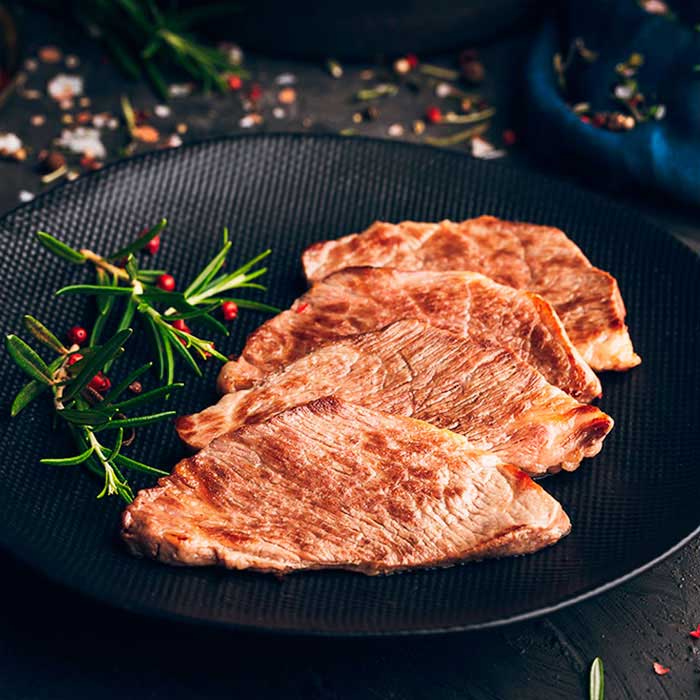
Presa Ibérica: The Steak-Lover’s Pork
The Presa is a thick muscle found within the shoulder. It is the most “steak-like” of all the cuts.
- The Profile: It is a solid, dense muscle with intense intramuscular marbling.
- The Experience: Because of its thickness, it is perfect for roasting or thick-cut steaks. It carries the acorn-infused nutty notes more prominently than almost any other cut.
For those who prefer a hearty, steak-like experience, we offer premium Presa Ibérica shipped anywhere in the US directly from our Spanish heritage producers.
The “Secret” Cuts of the Iberian Butcher
Why the Fat is Different: The Oleic Acid Connection
The reason Iberico pork is often called “Olive Oil on Legs” is not just a marketing slogan; it is a biochemical fact. Because of the acorn-rich diet in the Dehesa, the fat of a Bellota pig is composed of over 55% oleic acid.
What this means for the chef:
- Low Melting Point: The fat in Iberico pork begins to melt at approximately 70°F (21°C). If you hold a slice of Iberico ham in your hand, the fat will literally begin to dissolve from your body heat.
- Health Profile: Unlike the saturated fats found in industrial pork, the monounsaturated fats in Iberico pork are considered “heart-healthy” and help maintain good cholesterol levels.
- Flavor Carrier: Fat is the primary carrier of flavor. Because Iberico fat is so fluid, it coats the palate more effectively, allowing the nutty, floral notes of the acorns to linger longer.
Cooking & Serving Tips for the US Kitchen
How to Cook Iberico Pork to Perfection
Cooking Iberico is different from cooking standard pork. If you cook a piece of Secreto to “well-done,” you are destroying the very fat that makes it expensive.
- Tempering is Key: Always take the meat out of the refrigerator at least 30 to 45 minutes before cooking. Because the fat is so dense, the meat needs to reach room temperature to ensure an even cook.
- High Heat, Short Time: These cuts thrive on a sear. Use a cast-iron skillet or a very hot grill. The goal is to char the outside quickly while keeping the center a perfect Medium-Rare to Medium (approx. 135°F to 145°F).
- Let it Rest: Resting is non-negotiable. Allow the meat to sit for 5 to 10 minutes. This allows the liquid fat to redistribute through the fibers, ensuring the juice stays in the meat and not on your cutting board.
How to Identify Authentic Iberico in the USA
Sourcing Iberico in the US requires a discerning eye. Because the name “Iberico” is not as strictly regulated in the US as it is in Spain, some sellers may label cross-bred or grain-fed pork as “Iberico.”
- Check the Labeling: Always look for the mention of Bellota (Acorn-fed) and the percentage of the breed.
- The Color Test: Authentic Iberico meat should be a deep, ruby red—almost like beef, not the pale pink of supermarket pork.
- The Fat Color: The fat should be creamy white or slightly yellowish (from the acorns), never pure stark white or waxy.
Frequently Asked Questions:
Iberico pork US
Why is Iberico pork so much more expensive than regular pork?
Bellota-grade Ibérico pork commands premium prices, typically $40–$80 per pound in the US as of 2024, because a single Bellota pig requires a minimum of 2 acres of certified Dehesa forest and 24–36 months to reach slaughter weight, versus the 6 months standard for industrial breeds (BOE, Real Decreto 4/2014; Nieto et al., 2012). That extended timeline and land requirement produce measurably distinct oleic acid concentrations and intramuscular fat ratios that no fast-raised alternative can replicate.
Can you eat medium-rare Iberico pork?
Yes, and it is highly recommended. Because of the high quality, diet, and strict processing of the Iberian pig, cuts like the Secreto and Pluma are best enjoyed at a medium-rare or medium internal temperature (around 140°F/60°C). This allows the acorn-rich fats to remain juicy rather than drying out.
Is Iberico pork actually healthy?
Remarkably, yes. Because it is rich in oleic acid (monounsaturated fat), it acts more like olive oil than animal fat. This “good fat” helps lower LDL (bad) cholesterol and increase HDL (good) cholesterol. It is one of the few animal proteins that fits perfectly within a heart-healthy Mediterranean diet.
What does "Pata Negra" actually mean?
“Pata Negra” translates to “Black Hoof.” While it is often used as a slang term for high-quality Iberico, the official Spanish law reserves this term specifically for Black Label products, meaning the pig is 100% purebred Iberico and was 100% acorn-fed (Bellota).
How should I store Iberico pork after it arrives?
If the meat is frozen, keep it in its vacuum seal and place it in the freezer immediately. To eat, thaw it slowly in the refrigerator for 24 hours. If it is a cured Jamón, keep it in a cool, dry place. Always allow the meat to reach room temperature before serving to ensure the fats are soft and aromatic.